

In 2025, sustainability is at the heart of the global auto parts market, as green technology continues to play a pivotal role in shaping the future of the automotive industry. With environmental concerns growing globally, automakers and suppliers are accelerating their adoption of eco-friendly practices and products, positioning themselves to meet both regulatory standards and consumer demand for greener alternatives.
Green Technology Leads the Way
The push for sustainable auto parts has never been stronger, as governments worldwide implement stricter environmental regulations. From electric vehicle components to eco-friendly manufacturing processes, the industry is responding to the call for reducing carbon footprints and using renewable resources. According to Automotive News, manufacturers are increasingly integrating recycled materials into their products, from plastics to metals, reducing the need for virgin materials and contributing to a circular economy (source: www.autonews.com).
This shift is also driving innovation in electric vehicle (EV) components. As the demand for EVs grows, suppliers are focused on producing high-performance batteries, chargers, and lightweight materials that improve vehicle efficiency and reduce energy consumption. McKinsey projects that the global EV market will continue its upward trajectory, contributing significantly to both the auto parts industry and broader environmental goals (source: www.mckinsey.com).
Embracing Eco-Friendly Practices in Manufacturing
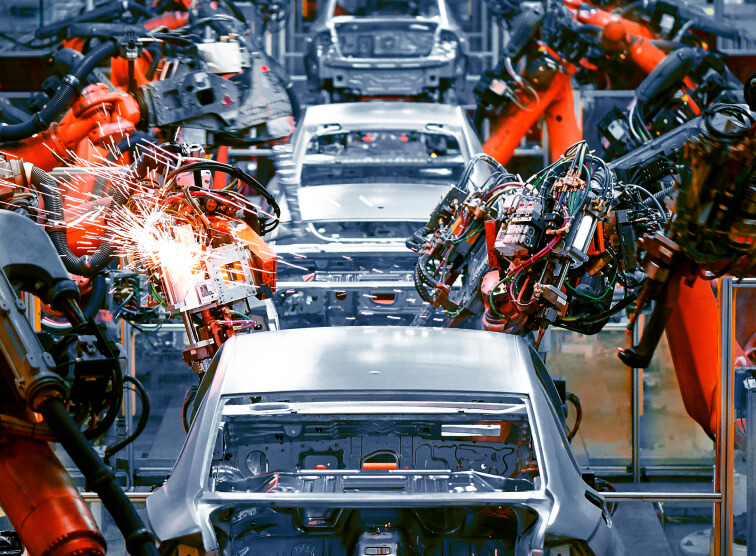
Beyond components, the manufacturing process itself is undergoing a transformation. Companies are embracing green production techniques such as energy-efficient machinery, renewable energy sources, and waste reduction strategies. Bilink is committed to these initiatives, incorporating sustainable manufacturing practices to ensure that our products, like the Engine Hood Assembly for GWM Tank 300, meet both performance and environmental standards.
In addition to product sustainability, companies are investing in eco-friendly packaging and reducing carbon emissions across the supply chain. By using solar energy, minimizing transportation distances, and optimizing logistics, auto parts suppliers are cutting down their environmental impact. These initiatives not only support global sustainability but also offer a competitive edge to businesses looking to attract eco-conscious consumers.
Opportunities for Distributors and Retailers
As the industry evolves, distributors and retailers have a significant opportunity to align themselves with the growing demand for sustainable auto parts. Offering eco-friendly components is no longer just a trend—it’s becoming an essential part of a company’s value proposition. By partnering with sustainable suppliers, businesses can meet the needs of a more environmentally-conscious customer base while reducing long-term operational costs.
The growth of green technology also opens up new revenue streams. Suppliers that focus on lightweight materials, renewable energy sources, and recyclable components are well-positioned to capture market share in both traditional and emerging automotive markets. As consumers increasingly prioritize eco-friendly options, auto parts distributors that emphasize sustainability will be better equipped for future success.
🔗 Product Link:
Engine Hood Assembly for GWM Tank 300
2025: A Year of Sustainability and Innovation
The global auto parts market is set to thrive in 2025, driven by sustainable practices and the rise of green technologies. As companies invest in eco-friendly solutions, they contribute to a more sustainable future while positioning themselves for long-term growth. By focusing on green technologies, recyclable materials, and innovative manufacturing techniques, businesses can stay competitive and meet the demands of both regulators and environmentally-conscious consumers.
At Bilink, we are committed to leading the way in sustainable auto parts manufacturing. Our products, such as the Engine Hood Assembly for GWM Tank 300, are designed with environmental considerations in mind. By incorporating eco-friendly practices into our manufacturing processes, we ensure that our partners and customers receive not only high-quality products but also solutions that support a greener future.

Related Post