

Frankfurt, November 11, 2025 — The global automotive landscape is shifting faster than ever. European manufacturers face growing competition from Chinese carmakers, a complex transition toward electric mobility, and a fast-recovering used-car market that’s redefining buyer priorities.
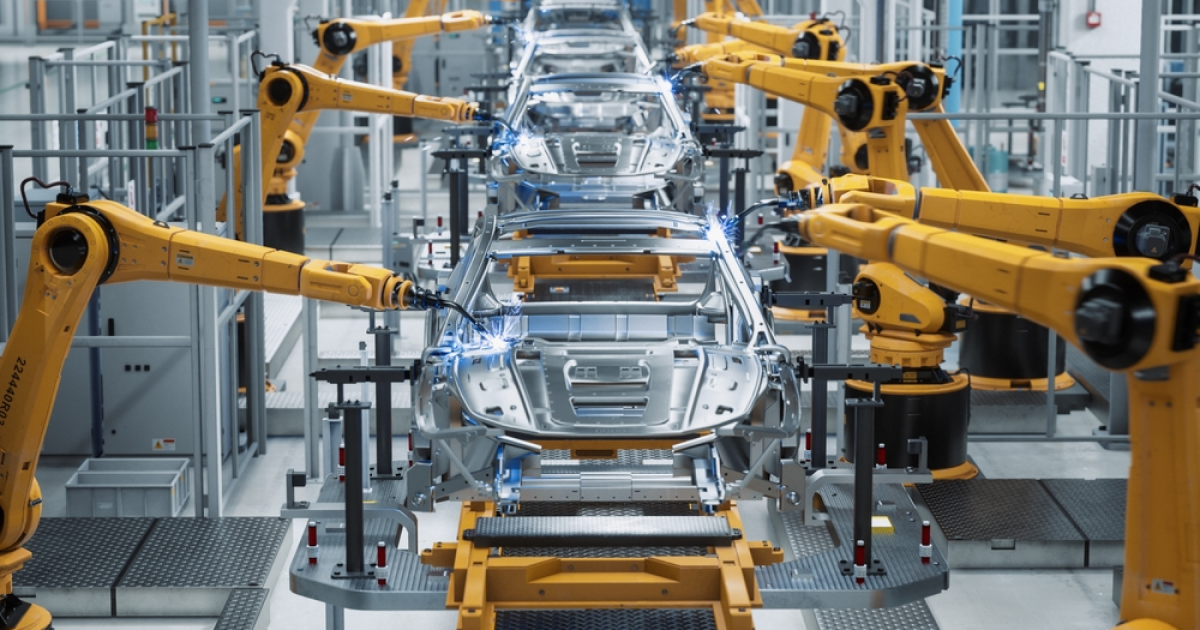
1. Europe’s Zero-Emission Goal Faces Reality Check
While the European Union remains committed to its 2035 zero-emission target for passenger and light commercial vehicles, industry leaders now admit that current infrastructure and supply chains lag behind. Charging networks remain uneven, raw-material sourcing is fragile, and consumer affordability continues to be a bottleneck.
At the same time, EU officials have voiced concern about the surge of competitively priced Chinese EVs entering Europe, prompting calls for policy adjustments and local production incentives to “rebalance” the market.
2. Used-Car Sales Hit Record Growth as EV Resale Gains Traction
Across the UK and Western Europe, used-car transactions continue their upward trend. Q3 2025 saw over 2 million units sold in Britain alone — marking the 11th consecutive quarter of growth. More striking is the rise of second-hand electric vehicles: transactions for battery EVs jumped over 40% year-on-year, proving that EV adoption is finally filtering into the mainstream resale market.
Traditional combustion vehicles still dominate more than 85% of total volume, yet the demand curve clearly shows a gradual shift toward electrified mobility, particularly in urban regions where low-emission zones expand yearly.
3. Three Forces Now Redefining Europe’s Auto Landscape
① Green Supply Chains Accelerate
European policymakers are funding new cell-manufacturing and recycling projects to reduce dependence on imported batteries. Localized ecosystems — from lithium refining to cathode production — are emerging as key pillars for industrial resilience.
② Competitive Pressure Intensifies
Chinese automakers are challenging legacy brands on both price and technology. This pressure is forcing European OEMs to rethink product mix, streamline operations, and accelerate hybrid-model development rather than betting exclusively on pure EVs.
③ Consumer Behavior Diverges
Buyers are rediscovering the value of reliability and affordability. Government subsidies, tax incentives, and clear communication around battery health will determine how fast mainstream consumers adopt EVs in the second-hand market.
4. Implications for Industry Stakeholders
Automakers: Balance long-term electrification goals with near-term profitability. Develop modular platforms that can host both ICE and hybrid systems while scaling EV output efficiently.
Component & Battery Suppliers: Major opportunity lies in recyclable materials, advanced thermal systems, and localized logistics chains.
Dealers & Aftermarket Networks: Used-EV servicing, battery warranty programs, and flexible financing can become high-margin growth areas.
Policymakers: A rigid “one-path-fits-all” transition risks weakening Europe’s competitiveness. Pragmatic timelines and adaptive incentives will support a healthier transformation.
5. Outlook
Europe’s automotive sector stands at a crossroads. Whether it doubles down on full electrification or adopts a diversified energy mix, the winners will be those investing early in resilient supply chains, smart manufacturing, and customer-centric aftersales models.
The next five years will determine whether Europe remains a powerhouse of innovation — or becomes a secondary player in the global mobility race.
6. Bilink Auto Parts: Positioning for the Next Global Wave
As European and Asian markets converge in their pursuit of smarter, cleaner, and more efficient mobility, Bilink Auto Parts Company Limited is aligning its export strategy with this transformation.
By focusing on OEM-quality components for major Chinese brands such as GWM, Chery, and BAIC — now increasingly visible on international roads — Bilink ensures overseas distributors and repair shops gain reliable access to genuine, high-performing parts.
With an expanding network across Africa, Russia, the Middle East, Latin America, and Southeast Asia, Bilink is not only supplying parts but also bridging supply gaps in the fast-evolving EV and hybrid markets.
As demand for replacement and electronic components grows, the company aims to deliver one-stop sourcing solutions, helping global partners adapt quickly to the next stage of the automotive revolution.
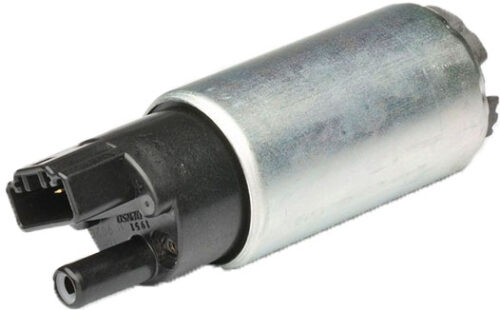
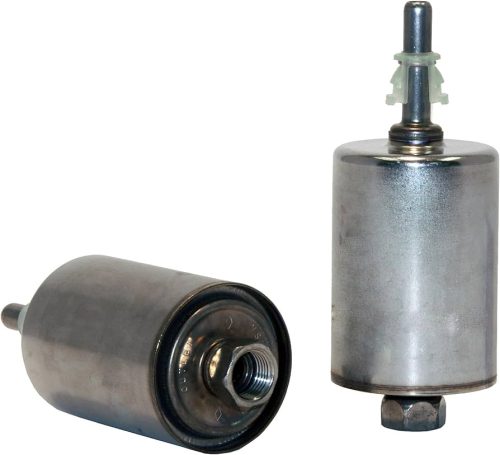
Related product:


Related Post