


A One-Week Holiday That Creates a 6–8 Week Global Disruption
Chinese New Year 2026 begins on 17 February, yet its logistics impact stretches far beyond the holiday itself.
Industry analysis confirms that CNY causes 6–8 weeks of effective disruption across Asian export supply chains due to early factory shutdowns, labor shortages, blank sailings and severe pre-holiday congestion.
For example:
-
Factories slow or stop production 2–3 weeks before CNY as migrant workers leave early.
Source: https://www.sekologic.com/chinese-new-year-shutdown-impact -
Port congestion spikes in January–February, as carriers bunch schedules and reduce port calls.
Source: https://www.flexport.com/blog/cny-shipping-delays -
Trucking and container shortages intensify, driving inland freight rates sharply upward.
Source: https://www.joc.com/maritime-news/china-cny-trucking-capacity
This is the real risk importers must navigate:
CNY is not a holiday—it is a supply-chain shockwave.
Pre-CNY Freight Volatility: Rates and Reliability Collapse Simultaneously
Multiple logistics intelligence reports show that demand surges sharply from mid-December while available capacity declines. This mismatch results in:
-
Multiple rounds of GRI (General Rate Increases) imposed on Asia–EU and Asia–US lanes
-
Higher PSS (Peak Season Surcharges)
-
Blank sailings and skipped-port schedules
-
3–5 day berth delays and heavy rollover activity
Further reading:
https://www.maersk.com/news/articles/2025/11/22/cny-preparation
https://theloadstar.com/cny-capacity-crunch-expected-2025
Even importers who are willing to pay more may find that space is unavailable, or that cargo booked today can still be delayed due to operational constraints.
This is why Chinese New Year logistics has become one of the most important planning cycles for global importers.
Why Fuel Filters Become a Strategic Item Under CNY Pressure
Fuel filters belong to essential fast-moving parts, particularly in regions that depend heavily on Toyota platforms. Stockouts directly affect:
-
Workshops’ ability to deliver regular maintenance
-
Resellers’ ability to support fleet operators
-
Importers’ market reliability and reputation
The two SKUs you provided are prime examples:
-
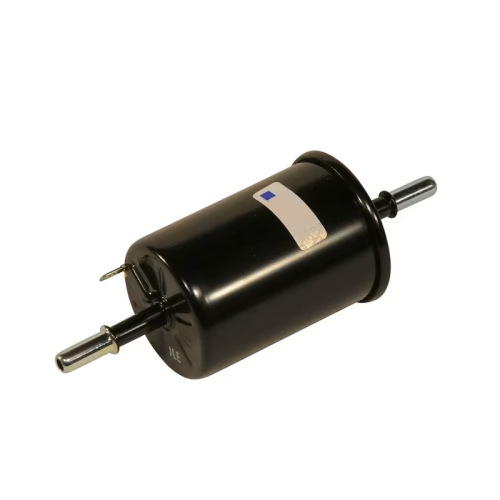
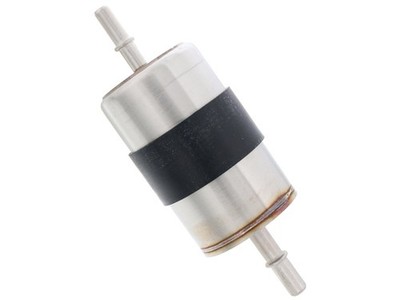
Fuel Filter 23300-31100 for Toyota Prado 4.0
https://bilinkglobal.com/product/fuel-filter-23300-31100-toyota-prado-40/ -
Fuel Filter 23300-79285 for Toyota “Sea Lion”
https://bilinkglobal.com/product/fuel-filter-23300-79285-toyota-sea-lion/
These filters support high-volume models used extensively in the Middle East, Africa, Southeast Asia, and Latin America—regions where:
-
Fuel quality varies
-
Vehicles face harsh operating conditions
-
Maintenance cycles are essential for engine protection
During CNY logistics disruption, fuel filter shortages can escalate quickly, because workshops cannot replace or improvise these items. A missed shipment often becomes a lost customer.
Global Trends Amplify CNY Risk: Geopolitics, Export Controls, and Used-Vehicle Growth
2025’s global macro-environment adds additional pressure beyond CNY:
1. Export controls and supply-chain decoupling
Automakers including GM are pushing suppliers to diversify beyond China to avoid geopolitical bottlenecks.
Source: https://www.reuters.com/business/autos-transportation/gm-urges-parts-makers-shift-supply-2025
2. Rising used-car demand increases aftermarket dependency
The global used-car market is projected to grow steadily through 2030, strengthening demand for maintenance parts.
Source: https://www.statista.com/outlook/mmo/cars/used-cars/worldwide
3. Freight capacity remains fragile
Asia–Europe and Asia–US routes remain susceptible to weather, political tension, and canal disruptions.
Source: https://splash247.com/global-shipping-disruption-2025
Together, these factors create a scenario where fuel filters and other engine components experience stable or rising demand while logistics reliability falls sharply.
What Importers Should Prioritize This Year
To maintain supply stability through CNY 2026, importers should:
-
Plan backward from 17 February 2026
Build a full timeline covering production, loading cutoffs, and transit time buffers. -
Increase safety stock of essential fast-moving parts
Fuel filters, oil filters, and air filters should have Q1 stock secured in advance. -
Book vessel space earlier than usual
Reserve space in early January to avoid peak congestion and unpredictable rollovers. -
Diversify origin ports and carriers
Shanghai + Ningbo + Qingdao + Shenzhen reduces single-port disruption risk. -
Provide customers clear communication
Set expectations for longer lead times and documentation cutoffs.
Managing CNY proactively gives importers a decisive competitive advantage in Q1 2026.

Related Post
Data Illusion Series – Part 2: Low Price vs Low Risk in the Aftermarket Auto Parts Supplier Market
Data Illusion Series – Part 1: Sales Growth vs Inventory Health: Why High Volume Can Be Dangerous
Inventory Structural Dynamics: Why Stock Problems Are Rooted in Early Decisions, Not Operations
Inventory Signals Are Not Demand Signals: Why “Reasonable” Requests Create Unhealthy Stock