Product Positioning
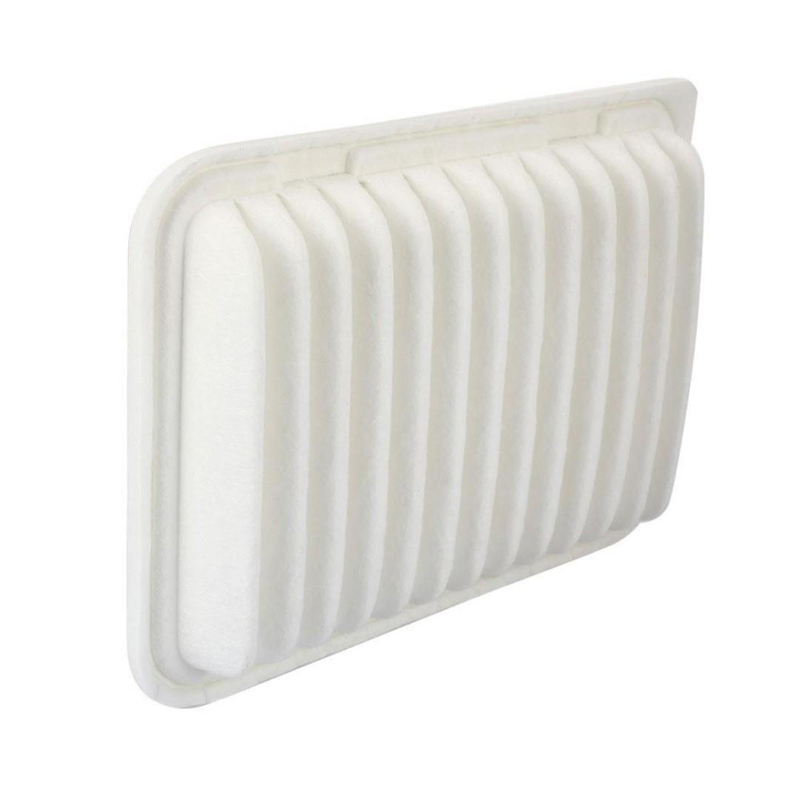
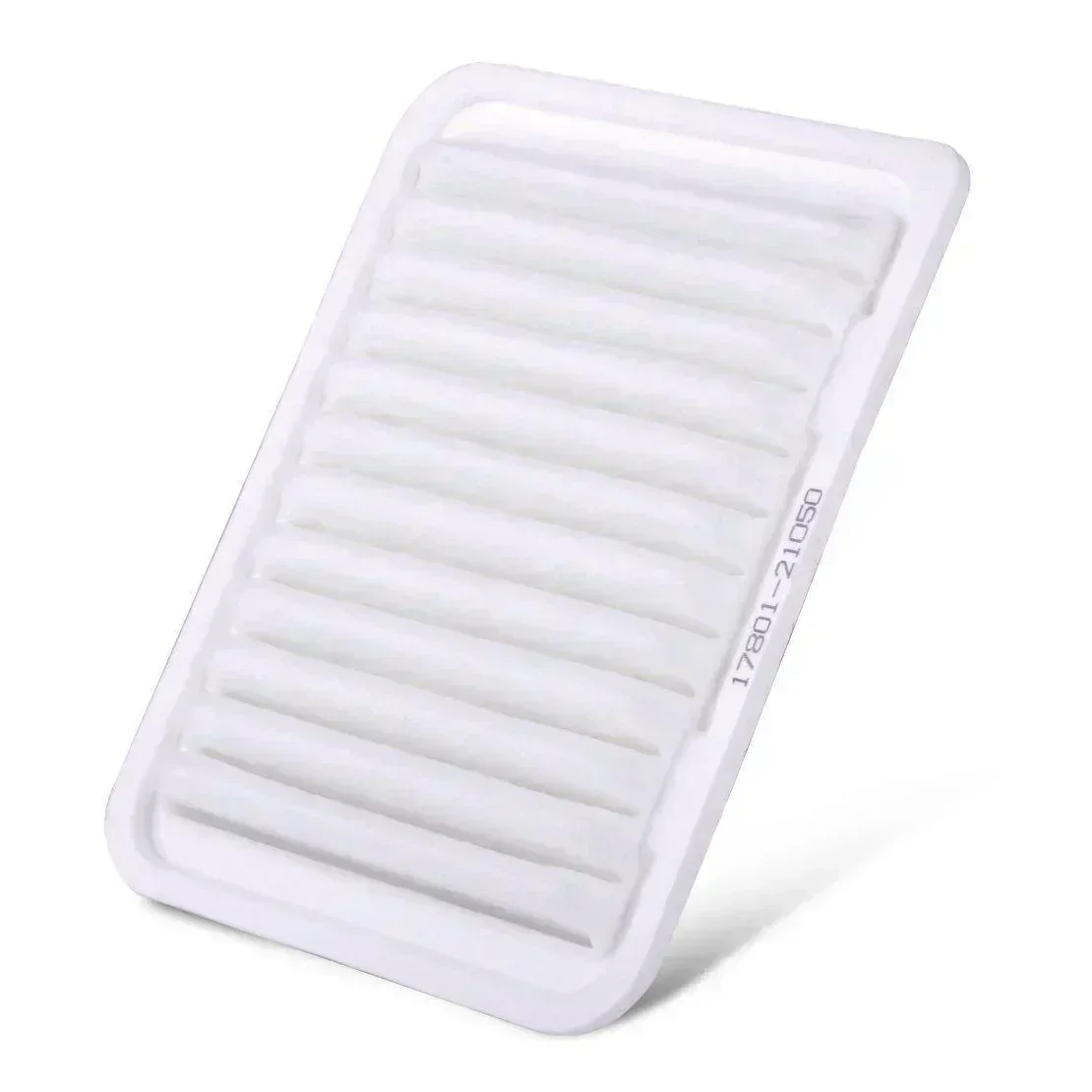
This engine air filter is commonly used as a core PMS validation part for importers evaluating application accuracy and supply consistency in the Kenya aftermarket.
Product Overview
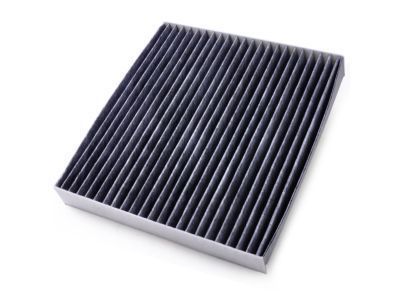
This engine air filter is designed for Toyota Probox models equipped with the 1NZ-FE 1.5L petrol engine.
Its role is to filter intake air, helping maintain stable engine operation under everyday driving conditions.
In the Kenyan aftermarket, Probox vehicles are frequently operated in high-mileage and utility-focused environments.
As a result, engine air filters are treated as routine maintenance components with predictable replacement cycles.
Due to their clear application boundaries and high turnover, air filters are often selected during early-stage supplier evaluation.
Application Context
In Kenya, Toyota Probox vehicles are commonly imported as used JDM units and deployed for commercial and mixed-use purposes.
Typical operation includes frequent urban driving, delivery tasks, and extended exposure to dusty road conditions.
Dust accumulation in the intake system can occur faster than under ideal operating environments.
Independent workshops therefore inspect and replace engine air filters regularly to maintain baseline engine efficiency and drivability.
This makes engine air filters one of the most consistently replaced PMS components in real Kenyan workshop operations.
Confirmed Application Scope
-
Vehicle Model: Toyota Probox
-
Engine: 1NZ-FE 1.5L Petrol
-
System: Engine air intake
-
Steering Configuration: Right-hand drive (JDM imports)
-
Market Context: Kenya / East Africa
This configuration represents the most commonly encountered Probox petrol setup in the Kenyan aftermarket.
OE Reference
Primary OE
This OE reference is widely used across Toyota compact petrol engine applications and is familiar to workshops servicing Probox vehicles in East Africa.
Compatible OE References
For validation purposes, maintaining a single primary OE reference helps reduce misapplication during trial orders.
Production Range & Specification Stability
This engine air filter is produced under controlled specifications to ensure consistent external dimensions and stable sealing performance within the air cleaner housing.
Production control focuses on:
-
Uniform filter frame geometry
-
Consistent pleated filter media placement
-
Stable gasket and sealing surface behavior
These factors support predictable fitment during repeated service cycles.
Quality Consistency & Batch Control
Batch-to-batch consistency is monitored to maintain uniform fitment and airflow characteristics across multiple shipments.
This consistency allows importers to evaluate supplier reliability during routine PMS replenishment.
Stable batch behavior is particularly important for air filters used in high-dust operating environments.
Packaging & Labeling
Packaging is designed to support mixed PMS shipments commonly used by Kenyan importers.
Clear OE reference labeling assists warehouse handling and workshop identification during distribution.
Consistent packaging format supports both trial orders and scaled replenishment without operational adjustment.
Procurement Considerations for Importers
When evaluating this engine air filter, importers typically focus on:
-
Correct OE reference and housing fitment
-
Consistency across repeated supply batches
-
Workshop familiarity with application
-
Packaging suitability for consolidated logistics
At this stage, application accuracy and supply stability are prioritized over marketing claims.
Typical Validation & Expansion Path
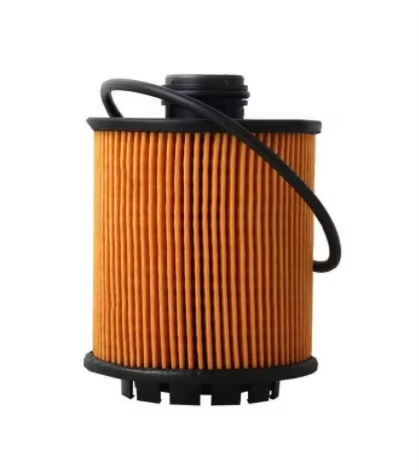
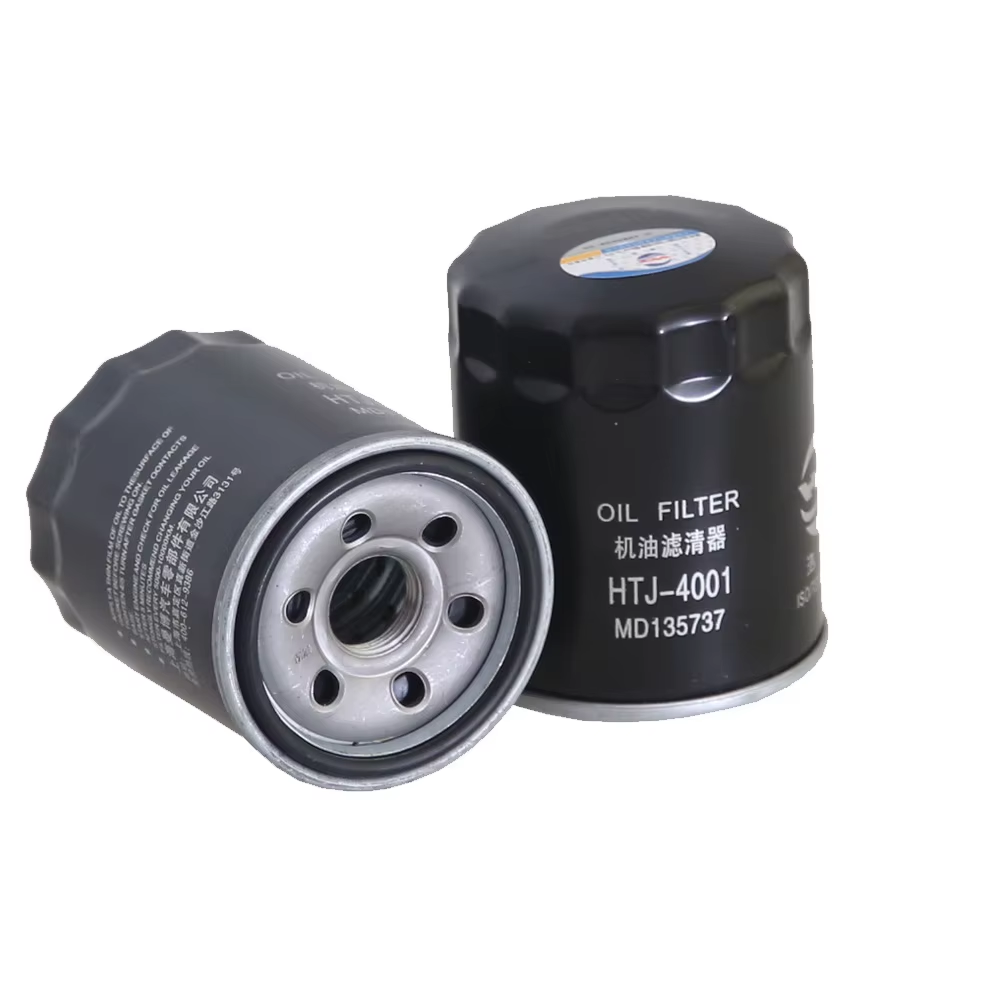
This engine air filter is commonly evaluated alongside oil and fuel filters when importers assess PMS coverage for Toyota Probox applications in the Kenyan aftermarket.
After validation, evaluation may extend to intake-side components or other routine engine maintenance items within the same vehicle platform.
Risk Awareness
Engine air filter housings can vary slightly by production period and market specification.
Supplying air filters without confirming housing dimensions and OE reference may result in sealing issues or fitment inconsistency during early trial orders.
Clear OE confirmation is essential before repeat procurement.