Product Positioning
This brake pad set is used as a specification-sensitive validation part for importers evaluating application accuracy and braking system compatibility in the Kenya aftermarket.
Product Overview
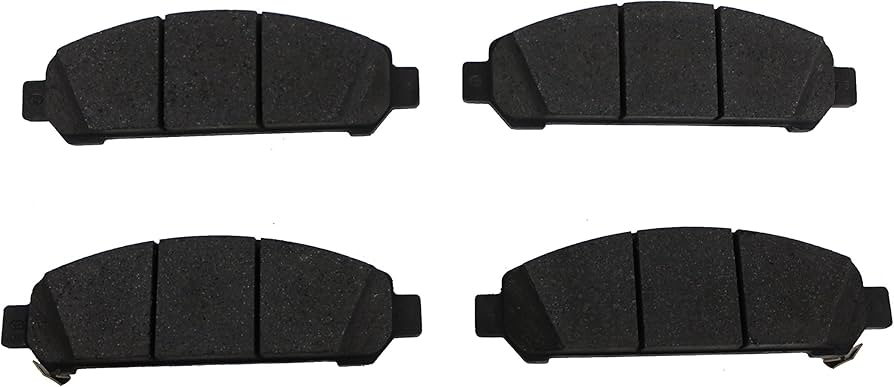
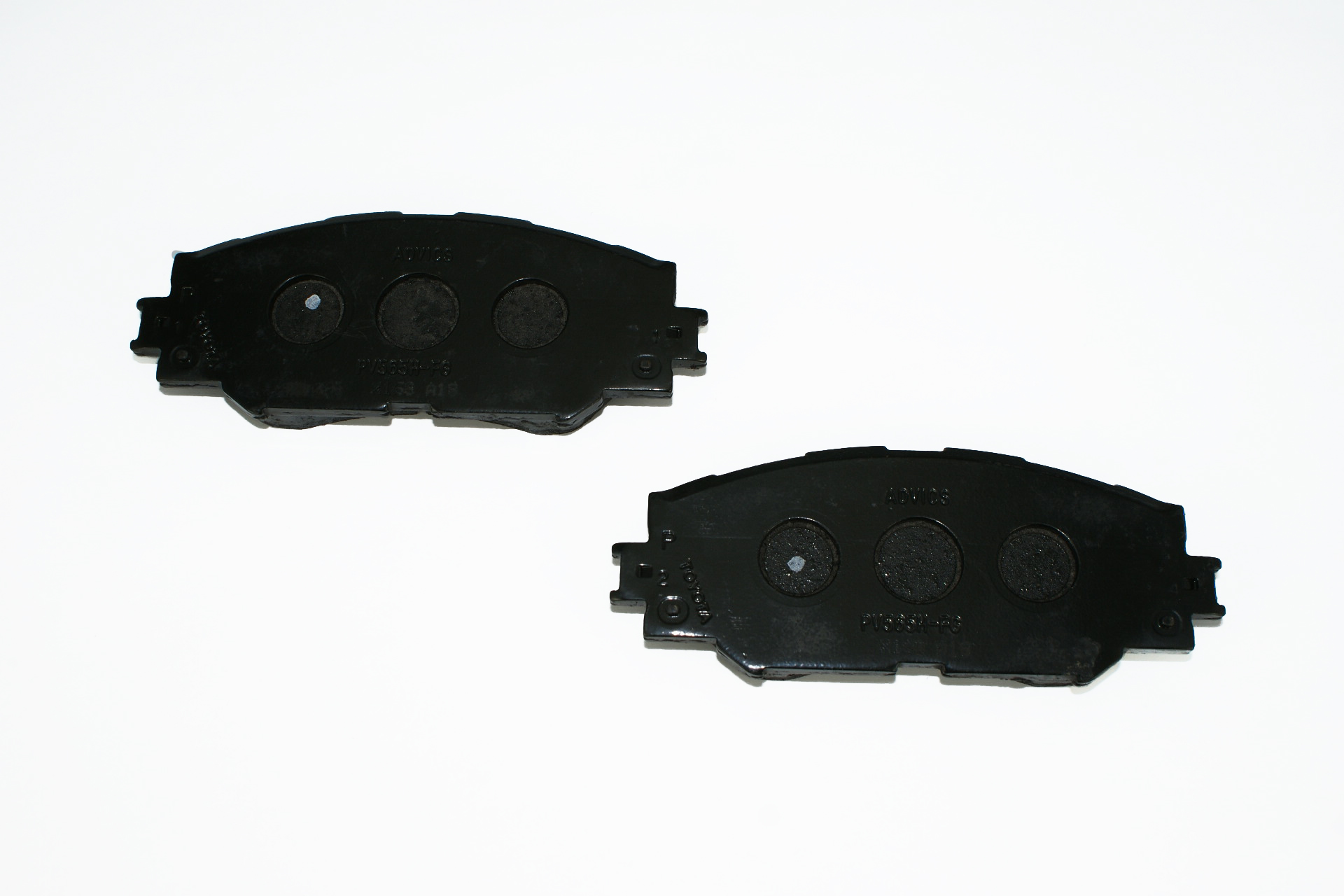
This front brake pad set is intended for Toyota Probox vehicles fitted with specific front disc brake configurations.
Its role is to convert hydraulic braking force into friction, enabling controlled vehicle deceleration during daily operation.
In the Kenyan aftermarket, Probox vehicles are widely used in commercial and mixed-use environments.
Brake components are therefore evaluated not only for wear rate, but also for application accuracy and consistency across repeat servicing.
As a result, brake pads are commonly used to assess a supplier’s specification discipline during early-stage evaluation.
Application Context
In Kenya, Toyota Probox vehicles are commonly imported as used JDM units and operated in urban delivery, fleet, and high-mileage daily use.
Frequent stop-and-go driving places continuous load on the front braking system.
Workshops typically inspect brake pads during routine service intervals and replace them based on wear condition rather than mileage alone.
Correct pad shape and caliper compatibility are therefore essential to avoid installation delays and brake noise complaints.
This makes brake pads a function-critical PMS component in real Kenyan workshop operations.
Confirmed Application Scope
-
Vehicle Model: Toyota Probox
-
Brake Position: Front
-
Brake Type: Disc brake (configuration-dependent)
-
Configuration Requirement: Matching front disc and caliper specification
-
Market Context: Kenya / East Africa
Brake pad applicability must be confirmed by brake system specification rather than engine type alone.
OE Reference
Primary OE
This OE reference is commonly associated with specific Toyota compact utility front disc brake configurations.
Compatible OE References
For validation purposes, maintaining a single primary OE reference helps reduce misapplication risk during early trial orders.
Production Range & Specification Stability
This brake pad set is produced under controlled specifications to maintain consistent external dimensions and stable friction material formulation.
Production control focuses on:
These factors support predictable installation and braking response across repeated service cycles.
Quality Consistency & Batch Control
Batch-to-batch consistency is monitored to ensure stable fitment and braking behavior across multiple shipments.
This consistency is particularly important for brake components that are replaced frequently in commercial-use vehicles.
Stable batch performance allows importers to evaluate supplier reliability during early validation stages.
Packaging & Labeling
Packaging is designed for mixed PMS shipments commonly used by Kenyan importers.
Clear OE reference labeling assists workshops and warehouses in distinguishing brake pad variants during handling and installation.
Consistent labeling helps reduce specification errors during early distribution.
Procurement Considerations for Importers
When evaluating this brake pad set, importers typically focus on:
-
Correct pad shape and caliper compatibility
-
Consistency across repeat supply batches
-
Workshop-level familiarity with OE reference
-
Packaging clarity to avoid variant mixing
At this stage, application accuracy and supply stability are prioritized over friction material marketing claims.
Typical Validation & Expansion Path
This brake pad set is often evaluated after engine maintenance items when importers assess safety-related PMS components for specification accuracy.
Following validation, evaluation may extend to rear brake components or other braking system wear items within the same vehicle platform.
Risk Awareness
Toyota Probox brake systems vary by configuration and production period.
Supplying brake pads without confirming disc size and caliper specification can lead to misfitment, installation delays, and early validation failure.
Clear brake system identification is essential before trial orders and repeat procurement.