

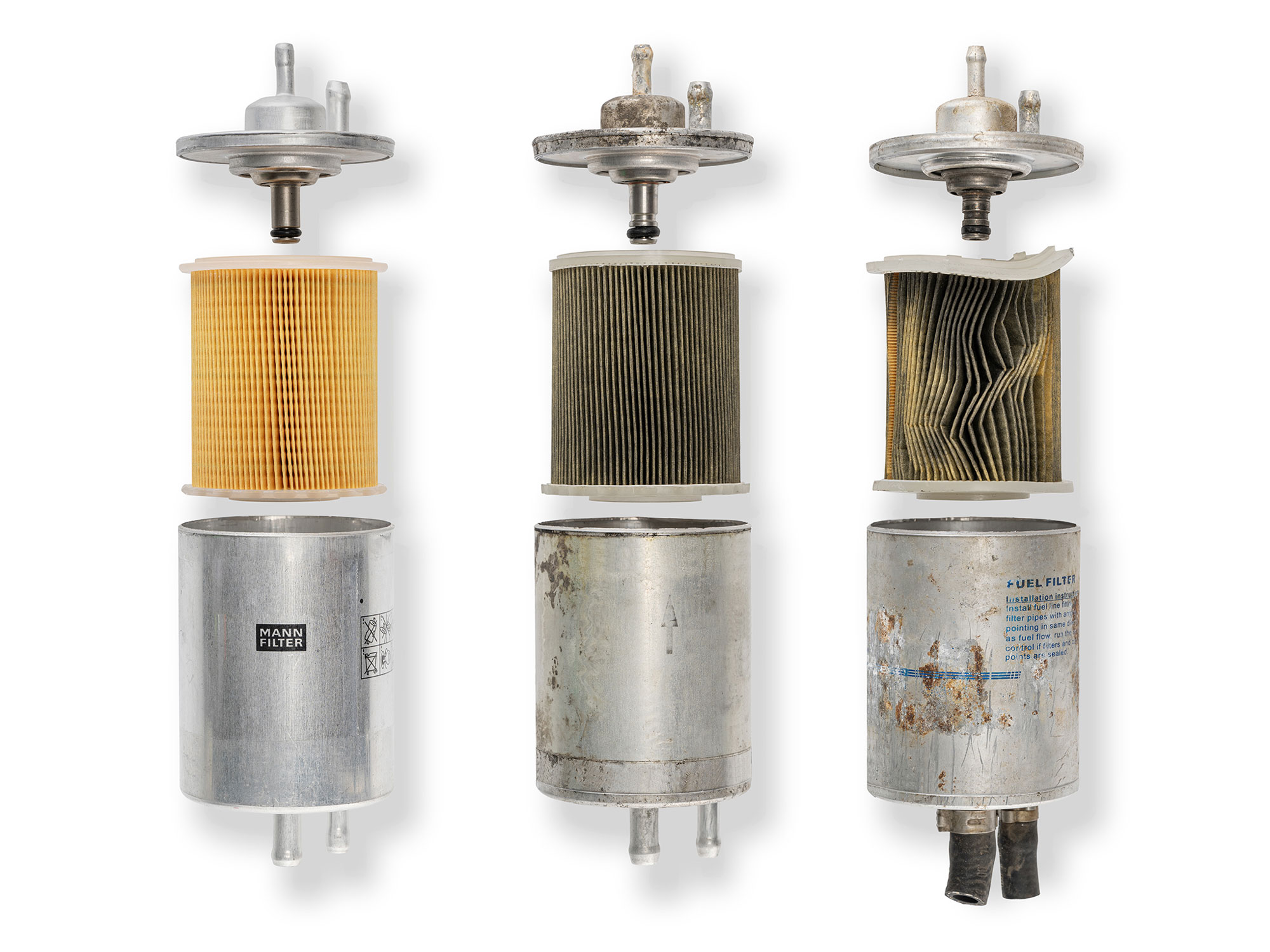
A Technical Guide for Distributors and Assemblers Evaluating Filter Performance
Growing demand for fuel filter quality drives new developments in the 2025 passenger car aftermarket. As global buyers prioritize engine protection, distributors and assemblers pay closer attention to filter efficiency, material stability, and flow consistency. Because fuel systems are more precise than ever, even small quality differences influence long-term engine performance. Therefore, reliable filters are essential for overseas markets with varied fuel conditions.
Why Fuel Filter Quality Matters in 2025
Modern engines require cleaner fuel to maintain stable combustion. According to Automotive News (https://www.autonews.com), global fuel standards continue improving, yet regional variations still exist. Consequently, passenger car fleets rely on effective filtration to maintain injector health and reduce long-term wear. As a result, demand for high-quality filters grows across Southeast Asia, Latin America, and the Middle East.
Additionally, a report from Just Auto (https://www.just-auto.com) notes that more distributors now test filters before stocking them. This shift reduces risk and improves customer confidence, especially in markets where workshops depend on consistent filtration performance.
How to Identify a High-Quality Fuel Filter
Evaluating filter quality requires verifying several technical indicators. These characteristics help distributors and retailers maintain strong product portfolios while reducing warranty disputes and service delays.
1. Filtration Material Density
High-density filter media captures fine particles without restricting fuel flow. Good filters use uniform fiber layers, improving both durability and filtration efficiency.
2. Consistent Micron Rating
Quality filters maintain a stable micron rating across the entire surface. This ensures predictable performance throughout the service life. Manufacturers that provide tested micron data usually offer more reliable products.
3. Strong Sealing Structure
A durable seal prevents unfiltered fuel from bypassing the media. Stable sealing rings, reinforced end caps, and precise molding indicate better production quality.
4. Steel Housing and Corrosion Resistance
High-quality steel housings reduce deformation and maintain internal pressure. Coated surfaces help protect against corrosion in regions with varying fuel compositions.
5. Verified Flow Rate Performance
Good filters support smooth fuel delivery during acceleration and sustained driving. Flow rate testing ensures stability under different load conditions.
Example of a Reliable Fuel Filter for Passenger Car Markets
To support global distributors, components such as the Fuel Filter 1105100U8010 for Hyundai Sonata deliver stable filtration efficiency and strong material strength. Therefore, it remains a trusted option for suppliers requiring predictable quality.
🔗 Product link:
Fuel Filter – Hyundai Sonata
https://bilinkglobal.com/product/fuel-filter-1105100u8010-hyundai-sonata/
This product offers consistent micron accuracy, strong end-cap bonding, and durable steel housing, supporting long service intervals in a wide range of driving conditions.
Why Global Buyers Pay More Attention to Testing and Traceability
Because fuel systems are becoming more precise, global buyers now request traceable production records and standard compliance certificates. Moreover, pre-shipment testing and supplier transparency help reduce unexpected performance issues. Consequently, more distributors collaborate with manufacturers offering reliable QC processes and stable supply capacity.
Conclusion: A More Knowledge-Driven Filtration Market in 2025
As 2025 continues, fuel filter quality becomes a central focus for distributors, importers, and automotive assemblers. Those who evaluate filtration materials, sealing structure, flow rate performance, and housing durability gain a real advantage. By sourcing verified components and partnering with transparent suppliers, global buyers reduce operational risks and strengthen long-term customer trust.
At Bilink, we support global automotive partners with fuel filters tested for consistent flow, stable micron control, and high-density filtration materials. Our team provides clear data, reliable packaging, and flexible supply options to help distributors maintain dependable inventory and long-term customer confidence.

Related Post
Data Illusion Series – Part 2: Low Price vs Low Risk in the Aftermarket Auto Parts Supplier Market
Data Illusion Series – Part 1: Sales Growth vs Inventory Health: Why High Volume Can Be Dangerous
Inventory Structural Dynamics: Why Stock Problems Are Rooted in Early Decisions, Not Operations
Inventory Signals Are Not Demand Signals: Why “Reasonable” Requests Create Unhealthy Stock