


Import Demand Rises as Buyers Seek Fuel-Efficient and Service-Friendly Models
Global vehicle importers are entering 2025 with renewed interest in models offering long-term reliability and affordable maintenance. Demand continues to grow in regions across Africa, Latin America, the Middle East, and Southeast Asia. Importers increasingly prioritize vehicles supported by widely available fast-moving parts such as air filters and oil filters, which help reduce service downtime.
Two components closely tied to high-volume models include:
Air Filter for 2012 Honda Civic 1.5T
https://bilinkglobal.com/product/17220-r1a-a01-air-filter-for-2012-honda-civic-1-5t-honda/
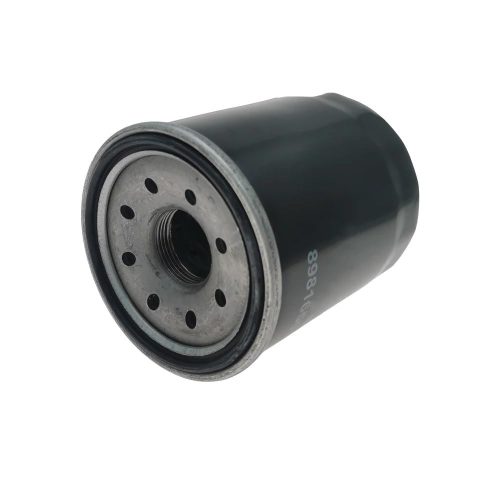
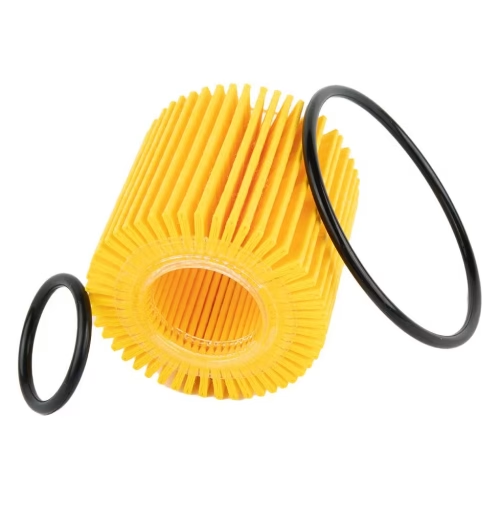
Oil Filter for Toyota Corolla
https://bilinkglobal.com/product/90915-yzze1-oil-filter-for-corolla-toyota/
These items remain essential engine components that importers often stock in bulk to support downstream retailers and workshops.
Policy Changes Influence Import Routes and Market Timing
Recent global trade updates highlight shifting regulations affecting vehicle import procedures. According to Reuters, tariff discussions and customs adjustments are influencing the cost structure of international vehicle shipments:
https://www.reuters.com/world/global-trade-adjustments-2025-forecast-2024-12-01/
Importers are responding by diversifying source markets and adjusting shipping schedules. Countries with favorable tax structures and stable customs processes are seeing stronger inbound orders.
Used Vehicle Import Markets Expand as Pricing Volatility Continues
S&P Global reports that used vehicle demand is rising sharply as buyers seek cost-effective alternatives:
https://www.spglobal.com/marketintelligence/en/news-insights/latest-news-headlines/global-automotive-outlook-2025-77692104
This shift benefits importers handling popular platforms such as Toyota and Honda—brands praised for stable parts availability and low long-term service costs. Availability of fast-moving parts such as filters, belts, and brake pads helps extend resale value and improves workshop turnaround times.
Digital Tools Transform Vehicle Import Evaluation
2025 introduces broader adoption of digital verification tools. Importers increasingly rely on:
-
Vehicle history reports
-
Digital inspection videos
-
Cross-platform market pricing comparison
-
Supplier performance scoring
Aftermarket Journal notes that digital validation reduces risk and speeds up buyer decisions:
https://www.aftermarketjournal.com/2025-digital-inspection-study/
These tools help importers evaluate condition, avoid hidden defects, and forecast service requirements—especially for models with high engine components consumption.
Key Assurance Points for Stable Import Operations
To build stronger long-term performance in 2025, importers should focus on:
-
Ensuring access to reliable parts supply for high-demand models
-
Verifying maintenance cost projections before shipment
-
Maintaining documentation for customs and compliance
-
Securing consistent fitment data for all supported parts
-
Choosing suppliers with stable MOQ and predictable shipping windows
These practices help importers maintain efficiency, reduce operational uncertainty, and strengthen customer confidence in their imported vehicle portfolios.
Related Post
2026 Tariff Shifts in Latin America and West Asia: Why Auto-Parts Importers Must Adjust Procurement Structures Now
How Fuel Filter Quality Shapes Engine Reliability in 2025’s Global Passenger Car Market
Chinese New Year 2026: Why Importers Must Act Early to Avoid Logistics Disruptions
Global Supply-Chain Shifts in 2025 Make Oil Filters a Strategic Asset for Importers