
Auto Industry Under Pressure — Imports and Aftermarket Are Rising
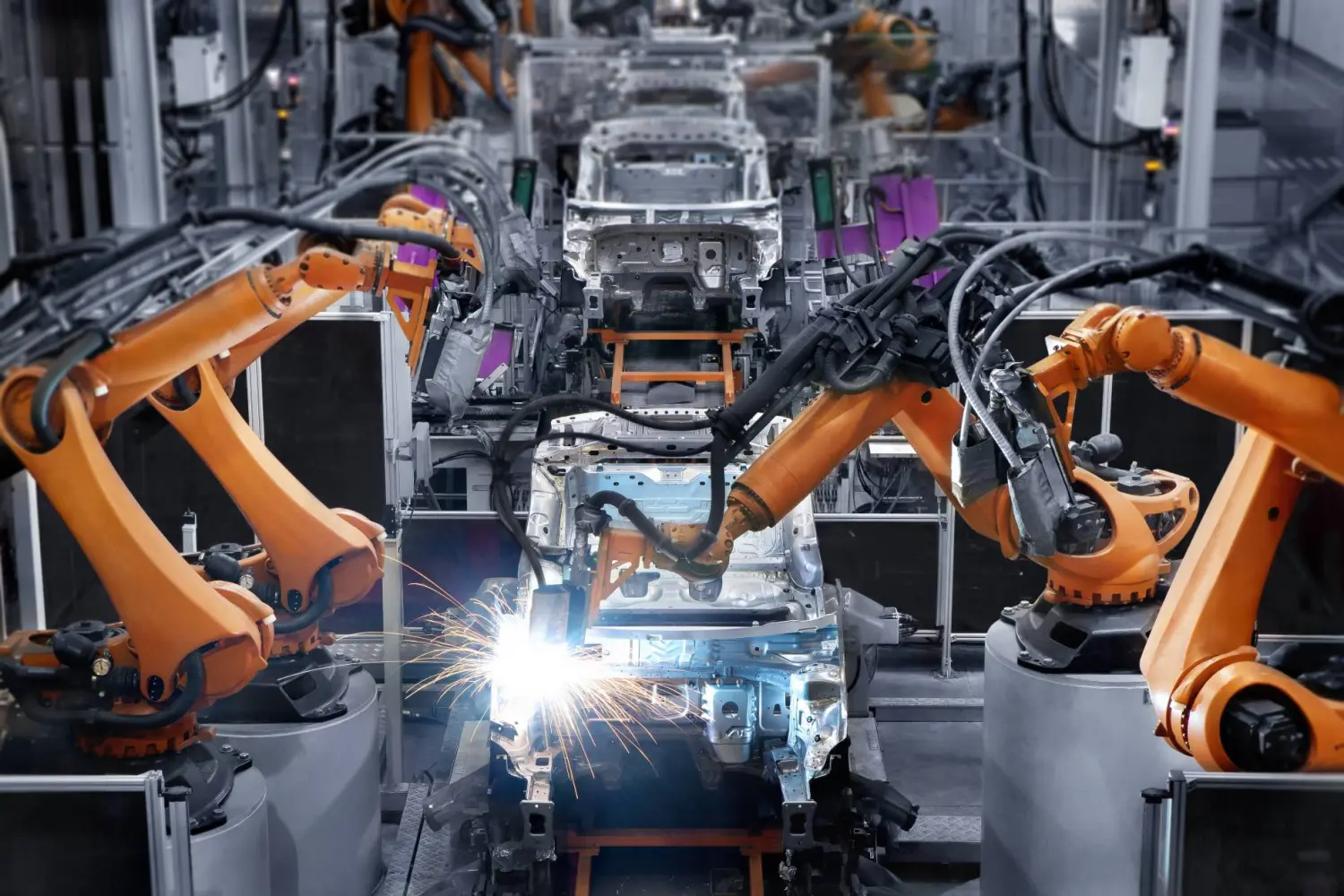
In late 2025, the global automotive industry faces growing supply-chain turbulence. Trade tensions, export controls, and semiconductor shortages are forcing many OEMs to delay or cut new-vehicle production. Reuters+2Reuters+2
At the same time, demand for used and imported combustion-engine vehicles is rising — especially in emerging markets and regions with constrained EV infrastructure. That makes aftermarket maintenance a critical pillar of value.
As a result, engine components like oil filters increasingly become high-value, high-demand items. Importers who secure reliable stock — rather than chasing flashy EV parts — may gain long-term advantage.
Real-World Oil Filters in Demand — Two Examples
Here are two oil filter SKUs that now see growing demand:
-
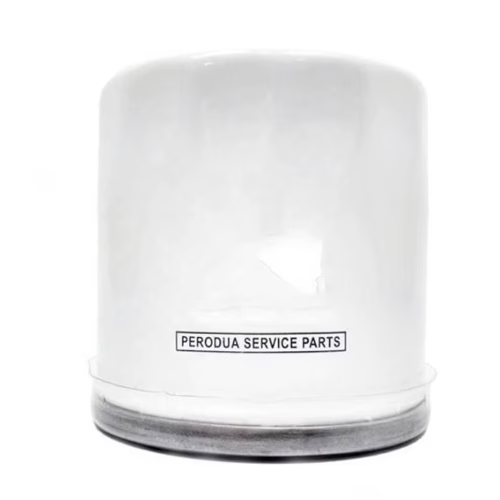
Oil Filter for Toyota “Sea Lion” (15600-25010)
https://bilinkglobal.com/product/oil-filter-15600-25010-toyota-sea-lion/ -
Oil Filter for Toyota Corolla (90915-YZZF2)
https://bilinkglobal.com/product/oil-filter-90915-yzzf2-toyota-corolla/
These correspond to widely distributed combustion-engine platforms across Asia, Africa, Latin America and emerging markets. As used vehicles circulate and maintenance costs become a deciding factor for buyers, the demand for these fast-moving parts — oil filters, air filters, belts — becomes more stable and predictable than many high-tech components.
Geopolitics & Export Controls Force Supply-Chain Re-Engineering
In 2025, a wave of export restrictions, especially around electronics, rare-earths, and critical components, is sending shockwaves through global auto supply chains. Reuters+1
Major automakers now attempt to decouple parts sourcing from China to de-risk supply. Reuters+1
Under these conditions, simple but high-volume items — like oil filters — become even more strategic. Their production is less dependent on rare materials and complex supply-chain webs. A stable supplier who can guarantee consistent quality and timely delivery becomes rare — and valuable.
Aftermarket and Maintenance Demand Outlasts New-Car Sales Cycles
Industry data suggest that even as new-car production slows, used-car transactions and aftermarket demand remain robust. For many drivers, maintaining an older vehicle is more cost-effective than buying new — especially where EV adoption remains slow or charging infrastructure is weak.
That structurally shifts value from new-car margins to maintenance margins. For importers and distributors, it means oil filters — and other maintenance parts — are not just consumables, but recurring revenue streams, often with better margin stability.
With growing vehicle parc and extended service intervals, demand for oil filters tied to widely used models will remain stable for years.
What Smart Importers Should Do Now
-
Stock essential oil filter SKUs for high-volume ICE platforms: Items like the two above (Sea Lion, Corolla) are solid bets.
-
Seek suppliers with transparent production and batch certification: Quality consistency reduces returns and supports long-term relations.
-
Diversify sourcing — avoid dependence on a single region or supplier: Geopolitical instability makes supply-chain resilience a competitive advantage.
-
View filters as lifecycle products, not one-time sales: Each vehicle on the road represents multiple future maintenance cycles.
-
Position maintenance part stock as a supply-chain buffer: With chip and parts shortages looming, having oil filters in inventory adds trust value with dealers and workshops.