


The ongoing automotive price war in China is no longer a domestic competition—it is rapidly pushing waves across global markets. As Chinese brands slash prices to protect market share at home, the ripple effects are reshaping vehicle affordability, competitive dynamics, and long-term strategies from Europe to Latin America. This price-driven shift is becoming one of the most influential global automotive disruptions of the decade.
Chinese Price Cuts Trigger Global Pricing Pressure
China’s unprecedented EV and combustion-engine price reductions have forced other global automakers to re-evaluate their pricing models. Brands in developing markets—such as Mexico, Brazil, and the Philippines—are now struggling to explain why a similar segment vehicle costs significantly more locally than in China. This puts pressure on distributors and manufacturers to justify margins, improve value, or revise product strategies.
Emerging Markets See Rising Preference Toward Chinese Brands
In regions where car affordability already defines purchasing behavior, the impact is immediate. Chinese SUV and EV models are gaining traction in South America, the Middle East, and Africa. Their competitive pricing, coupled with increasingly reliable aftersales networks, allows them to challenge traditional Japanese and Korean dominance. As a result, some non-Chinese automakers are accelerating their own cost-cutting programs or introducing new low-cost product lines.
Global Supply Chains Are Shifting Toward Cost Efficiency
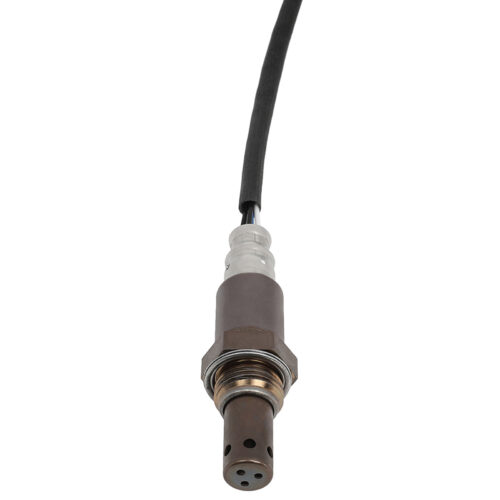
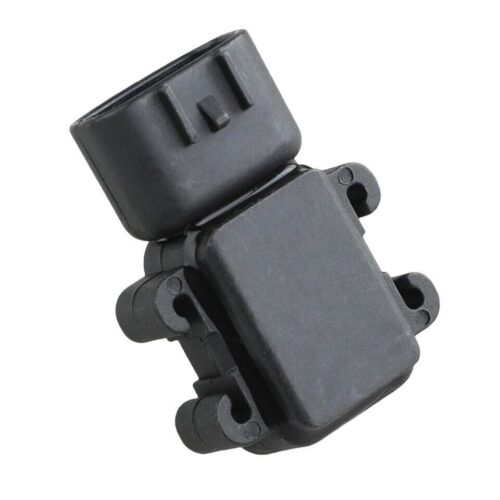
The price war’s global influence is also transforming the automotive parts industry. Distributors and wholesalers are now sourcing more components from China—especially filters, sensors, and chassis parts—to maintain competitive aftermarket pricing. Product pages such as the 90915-YZZE1 Oil Filter for Corolla | Toyota inside the Chinese market demonstrate how volume efficiency and domestic competition help keep component costs low.
For related product browsing, refer to: https://bilinkglobal.com/shop/?fb-edit=1
Western Markets Face Strategic Pressure, Not Immediate Price Drops
While Europe and North America are more insulated due to higher taxes, regulatory barriers, and brand loyalty, the psychological effect is real. Customers have begun asking why EVs in China often cost half the price of local models. Automakers are shifting toward platform sharing, battery cost reductions, and new regional assembly strategies to prepare for global competitive pressure that is gradually tightening.
The Long-Term Outcome: A Global Realignment of Value Perception
The deeper impact of China’s price war is not simply lower prices—it is a shift in how the world perceives value in automobiles. Chinese brands are redefining expectations for what a “budget-friendly” car should deliver in terms of technology, comfort, and warranty standards. Over the next three to five years, the global car market will likely undergo a major recalibration as more countries open their markets to aggressive Chinese offerings.
At Bilink Auto Parts, we closely track global automotive trends to help international distributors secure high-quality, cost-effective aftermarket solutions. Whether you’re sourcing filters, sensors, or engine components, our supply chain insights ensure your business stays ahead in this new global landscape.
Related product:


Related Post