

San Francisco, November 16, 2025 — Lucid Group, the high-end electric vehicle (EV) maker, has downgraded its 2025 production forecast to 18,000 units, citing severe supply chain bottlenecks including chip shortages, rare-earth constraints, and a recent fire at an aluminum supplier. Reuters+2ETAuto.com+2
Despite a 68% year-over-year jump in Q3 revenue to US$336.6 million, the company still missed analyst expectations. Reuters+2EVXL.co+2 Lucid also reported an adjusted loss of US$ 2.65 per share, wider than consensus. ETAuto.com
Key Strains and Strategic Response
Chip and Rare-Earth Supply: Lucid’s production continues to be hampered by global semiconductor shortages and tight rare-earth sourcing. Reuters
Aluminum Supplier Fire: A significant disruption occurred when a fire hit one of Lucid’s aluminum parts suppliers, slowing down manufacturing. evupdatemedia.us+1
Financial Backing: The Public Investment Fund (PIF) — Lucid’s major shareholder — has agreed to raise its credit facility from US$ 750 million to US$ 2 billion, giving Lucid more liquidity to manage production challenges. Reuters+1
Tariff Relief: Lucid expects some margin relief from a 3.75% tariff offset on U.S.-made EVs, projecting that 2025 tariff impact could drop to 8–10% of gross margin, down from 21%. TradingView
Factory Capacity Adjustment: In response to delays, Lucid has added a second production shift at its Casa Grande facility to boost output. ETAuto.com
Implications for the Auto-Parts Export Sector
Demand for Critical Components: The difficulty Lucid is facing highlights how volatile global supply chains remain for key EV components — from chips to rare-earth materials. Auto-parts exporters, especially those supplying electronics or semiconductors, may find heightened demand if Lucid and its peers look to diversify suppliers.
Opportunity for Alternative Suppliers: As OEMs like Lucid struggle, there’s room for non-traditional or regional suppliers to fill gaps, particularly in high-risk categories (e.g., aluminum parts, battery-grade materials).
Liqudity & Risk for Aftermarket Players: The cash infusion from PIF helps Lucid stay afloat, but uncertainty remains. Exporters working with Lucid or similar EV companies should hedge their risk — e.g., negotiating terms that account for production swings.
Bilink Auto Parts: Strengthening Trust While Capturing the Opportunity
For Bilink Auto Parts Company Limited, Lucid’s production cut could signal both challenge and chance. As OEMs work through supply disruptions, Bilink Auto Parts can position itself strategically by:
- Alternative Supply Chain Solutions
Leverage close partnerships with Chinese EV manufacturers—such as GWM and Chery—to supply critical components to international customers facing shortages.
- Strengthened Quality Assurance & Communication
Provide stable parts availability through reliable logistics and inventory management, while enhancing customer trust with responsive technical support.
- Software + Hardware Integrated Solutions
As EV manufacturers increasingly rely on data and remote diagnostics, Bilink Auto Parts can explore offering bundled solutions that include diagnostic modules or OTA (over-the-air) upgrade capabilities, positioning the company as a more comprehensive parts and service provider.
- Export Flexibility in a Changing Global Landscape
Amid global trade disruptions such as tariff shifts and supply chain instability, Bilink Auto Parts can support overseas buyers with multi-destination inventory and rapid-response capabilities, helping reduce their operational risks.
Related product:
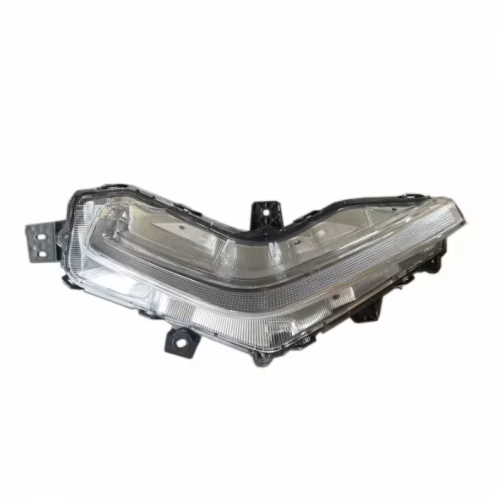
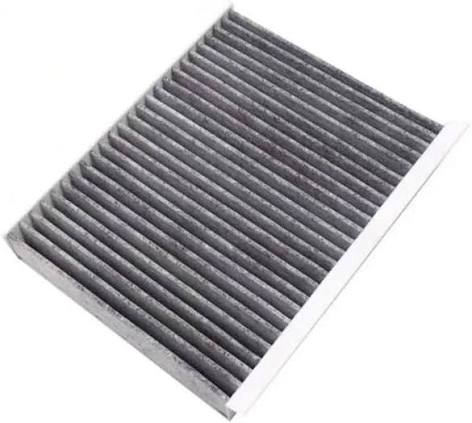
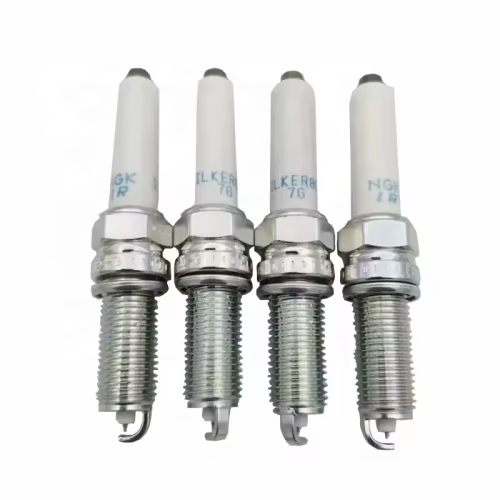
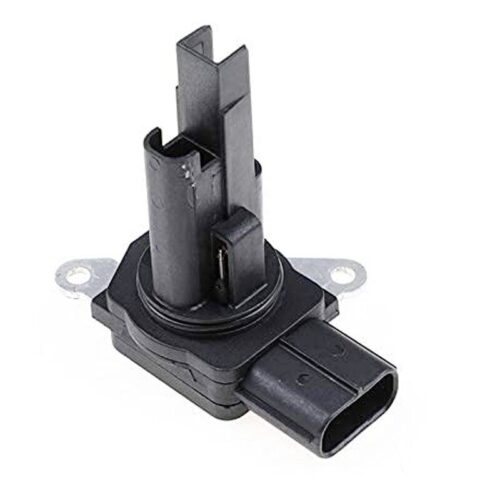
Related Post
Genuine Auto Parts vs OEM/OES, Aftermarket, and Remanufactured Parts: What Importers Must Confirm
Auto Parts Price Comparison: Why EXW and FOB Prices Do Not Show the Full Cost
Auto Parts Order Quantity: How It Changes Price, Freight, and Lead Time
Car Parts Quotation: Why a Fast Price Still Needs Version Confirmation