


Introduction: A New Trade Reality for Auto-Parts Importers
Countries across Latin America and West Asia are finalizing substantial tariff adjustments for 2026. These changes will affect auto-parts landed costs, sourcing stability, and pricing power. Many distributors underestimate the scale of the coming shift, yet evidence from regional customs authorities suggests importers will face tightening cost structures if they do not restructure procurement before the second quarter.
1. Why Governments Are Accelerating Tariff Updates
Governments in Brazil, Mexico, Saudi Arabia, and the UAE are redesigning duty frameworks to stabilize fiscal performance and strengthen domestic production. Trade analysts expect more revisions as global supply chains remain volatile.
Early policy signals align with findings from the World Trade Organization:
https://www.wto.org/english/news_e/news24_e/tariffs_and_safeguards_trends.htm
The WTO notes that emerging economies are increasingly adjusting tariff classifications connected to automotive components, especially categories with high import dependency. These movements suggest that importers relying on single-source models may face deeper cost exposure.
2. Hidden Cost Pressures Beyond the Tariff Table
Tariffs seldom stand alone. Importers must also prepare for port handling fee updates, document processing charges, and new inspection protocols. These adjustments can push final landed cost up by 5–12%.
A report from UNCTAD (United Nations Conference on Trade and Development) highlights that non-tariff measures now create more financial impact than tariffs themselves:
https://unctad.org/topic/trade-analysis/non-tariff-measures
The fast-moving auto-parts aftermarket is especially vulnerable. Categories such as fuel filters, engine gaskets, belts, and ignition parts may shift into new tariff brackets as countries revise HS codes.
3. What Importers Must Do Before Q2 2026 to Remain Competitive
A. Move From Single-Source to Tiered Sourcing Models
Diverse supplier networks reduce exposure to sudden duty increases. Tiered procurement—primary, secondary, and backup suppliers—can protect price stability.
B. Stock High-Risk, High-Turnover Items in Advance
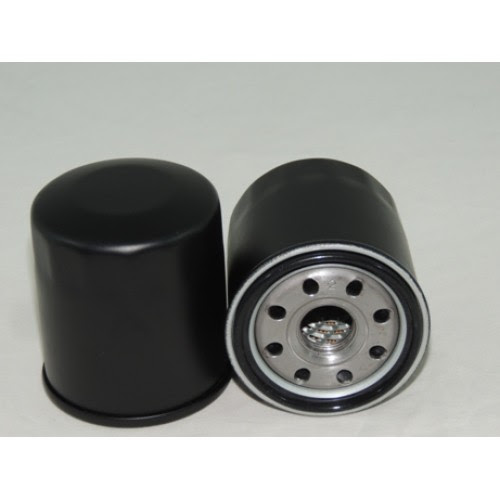
Items affected by tariff reclassification should be secured early. This includes fuel filters, brake components, and filtration systems.
A regional trade insight from Automotive World reinforces this strategy:
https://www.automotiveworld.com/articles/how-trade-policy-shifts-will-reshape-parts-distribution/
C. Simulate Landed Cost Under Multiple Scenarios
Testing landing costs at +5%, +10%, and +15% allows companies to forecast retail adjustments early and avoid sudden margin erosion.
4. Product Case Example: Fuel Filter 13253690 for Chevrolet Cruze
The Fuel Filter 13253690 for Chevrolet Cruze represents a category likely affected by tariff shifts. It is a high-turnover item in both Latin America and West Asia. Importers can reduce future cost fluctuation by securing supply before adjustments take effect.
Product link:
https://bilinkglobal.com/product/fuel-filter-13253690-chevrolet-cruze/
Ensuring availability of this fuel filter supports stable aftermarket operations.
Conclusion: 2026 Will Favor Importers Who Adjust Early
The 2026 tariff realignment will increase import complexity across Latin America and West Asia. Indirect fees and administrative adjustments will intensify the total cost burden. Importers who restructure procurement early, diversify sourcing, and build strategic inventory will secure stronger pricing power and greater market resilience. The companies that act now will enter 2026 with a clear advantage over competitors.

Related Post