

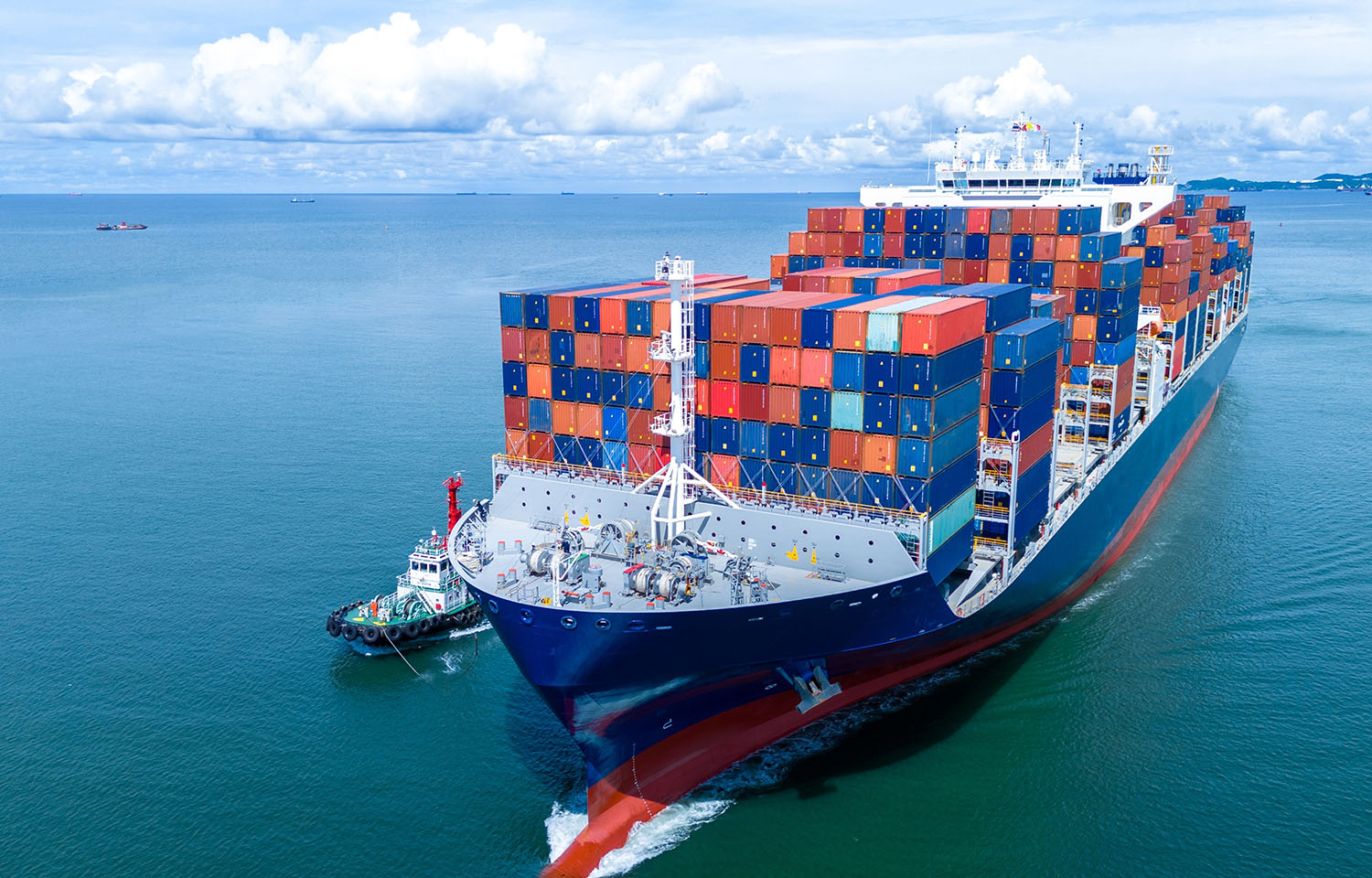
This week delivered another unpleasant surprise for auto-parts importers:
global freight rates are rising again, and much faster than expected.
According to the latest data:
-
Drewry World Container Index increased by 7% this week
(Source: https://www.drewry.co.uk/supply-chain-advisors) -
NCFI (Ningbo Export Freight Index) shows several major routes strengthening
(Source: Ningbo Shipping Exchange, 2025-12-06) -
multiple carriers are preparing “pre-holiday peak season surcharges”
The truth is simple:
Your landed cost is being eaten alive by volatility you cannot control.
And this trend will not disappear soon.
This analysis expands on how responsibility misalignment begins at the trade term level, as discussed in
You Think FOB Is Safe — But Trade Terms Are Quietly Destroying Your Margin.
1. Freight rate swings can erase your profit overnight
Your customers don’t understand freight volatility.
But they will demand stable prices.
If you still quote using outdated models, you will face:
-
margin compression
-
quotes turning unprofitable within days
-
customers asking to match old prices
-
increased price competition
-
unstable profitability
This is how many importers collapse—not because of sales,
but because of poor cost management.
2. Freight volatility has changed: it’s no longer predictable
Historically, freight followed seasonal logic.
But since the Red Sea crisis and global rerouting, volatility is structural.
Even after reports of a “ceasefire signal” in the Red Sea,
major carriers like Hapag-Lloyd and CMA CGM stated they will not immediately return to the route:
(Reuters analysis: https://www.reuters.com/world)
This creates:
-
unstable schedules
-
port congestion
-
last-minute rerouting
-
irregular delays
The danger now is not “high freight.”
The danger is unpredictable freight.
3. This volatility is exposing weaknesses in outdated business models
Old importer habits no longer work:
-
restocking only when running low
-
quoting before checking freight
-
assuming stable schedules
-
relying on “experience” instead of data
This results in:
-
stockouts
-
cash-flow strain
-
customer dissatisfaction
-
shrinking margins
-
competitors taking your accounts
In today’s market:
Stability is value. Predictability is a competitive advantage.
4. Practical steps you can take immediately
Here are tactical solutions you can apply tomorrow.
A. Use a “floating baseline quote” structure
Include:
-
base product cost
-
baseline FOB
-
freight fluctuation buffer (±8–15%)
This protects your margin and keeps customers informed.
B. Switch to “smaller batch + higher frequency” procurement
It:
-
spreads freight risk
-
stabilizes cash flow
-
reduces exposure to sudden freight spikes
-
increases delivery flexibility
C. Implement a weekly “Freight Update Day” for customers
A short weekly message can include:
-
freight trend
-
route congestion
-
carrier schedule updates
-
risks affecting ETA
Customers gain confidence when they see transparency.
D. Build a simple “in-transit visibility system”
Use Excel, Google Sheets, or WhatsApp:
-
ETAs
-
delays
-
port updates
-
delivery windows
Visibility = trust.
E. Build a three-layer inventory model for 2026
-
A-Class: always in stock
-
B-Class: normal safety stock
-
C-Class: order-on-demand
This protects your business during freight instability.
This article is part of Bilink Insights for Importers.
⭐ Today’s Recommended Product(Independent Section)
Fuel Pre-Filter 1105100-P00 for GWM Wingle 5
Designed for stable pre-filtration in diesel platforms requiring consistent protection.
🔗 https://bilinkglobal.com/product/fuel-pre-filter-1105100-p00-gwm-wingle-5/