

Previously in the Data Illusion Series
At the beginning of this series, we examined how visible growth can hide structural weakness in inventory health.
Part 1 – Sales Growth vs Inventory Health
We then examined how visible price advantage can hide structural sourcing risk.
Part 2 – Low Price vs Low Risk
We also examined why larger scale does not automatically ensure supplier stability, why faster shipment does not always indicate supply continuity, and why a wider catalog does not automatically indicate deeper supply expertise.
Part 3 – Big Supplier vs Stable Supplier
Part 4 – Fast Delivery vs Supply Stability
Part 5 – Wide Product Range vs Supply Expertise
This article examines another visible but often misread signal in the market of oem auto parts:
An OEM label does not automatically indicate real manufacturing control.
Label language is visible.
Control is structural.
In the aftermarket, that difference matters more than many buyers think.
Why OEM Auto Parts Language Looks Credible
For importers, OEM language feels reassuring.
To many buyers, OEM wording feels closer to factory logic, more disciplined, and safer than a generic aftermarket claim.
That reaction is understandable. However, buyers still need to verify the control behind the wording.
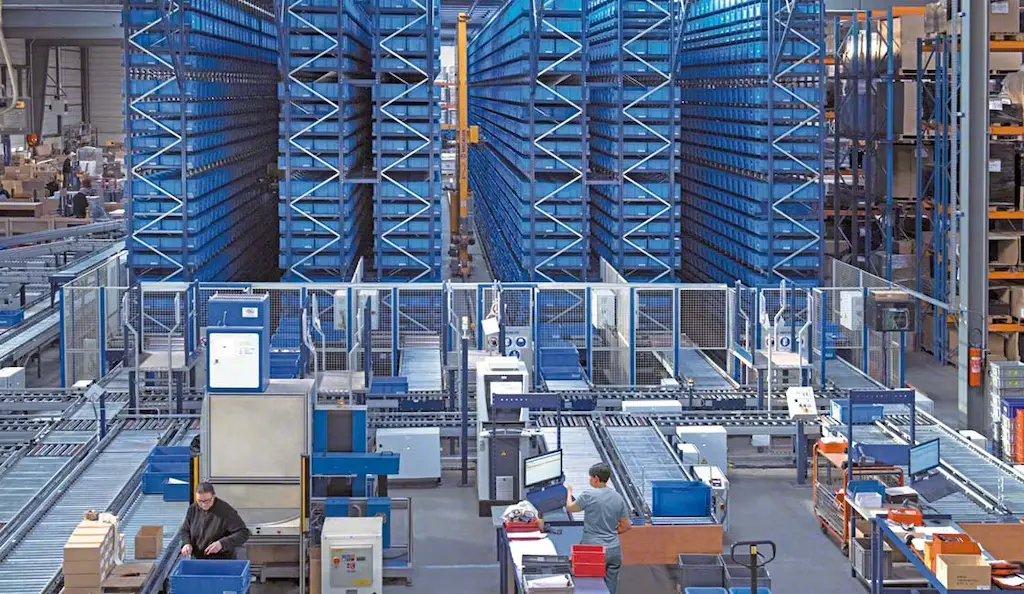
In the aftermarket auto parts business, buyers often need a faster way to judge risk. OEM wording appears to reduce uncertainty. It seems to suggest better consistency, better fitment logic, and stronger production discipline.
However, label language is still only label language.
The real question is not whether the wording sounds credible. The real question is whether the supplier can verify the control behind the wording.
In the Aftermarket, OEM Language Is Easy to Use. Control Is Harder to Verify
An OEM label is easy to display.
Real manufacturing control is much harder to prove.
In practice, the real issue in oem auto parts sourcing is not whether the supplier uses OEM language. It is whether the supplier can show disciplined control over the parts it offers.
That includes:
fixed factory visibility
OE cross-reference accuracy
fitment review by application
batch traceability
packaging consistency
corrective action tracking
category-specific quality discipline
A supplier can use OEM language and still rely on fragmented sourcing, shifting factory channels, or shallow category control.
For importers, that creates a familiar illusion: the label looks strong, while the control chain may still be weak.
The Core Difference: OEM Language vs Manufacturing Control
More importantly, this distinction matters.
OEM language tells the buyer how the part is described.
Manufacturing control tells the buyer how the part is actually managed.
That difference becomes visible when procurement moves beyond quotation and enters execution.
Real manufacturing control usually means:
the supplier knows which factory makes the part
the category comes from a stable source
batch behavior is monitored over time
fitment logic is reviewed, not copied
material or process changes can be traced
claims can be investigated at source level
By contrast, label language can be repeated without any of that structure.
A label can be copied.
A control system cannot.
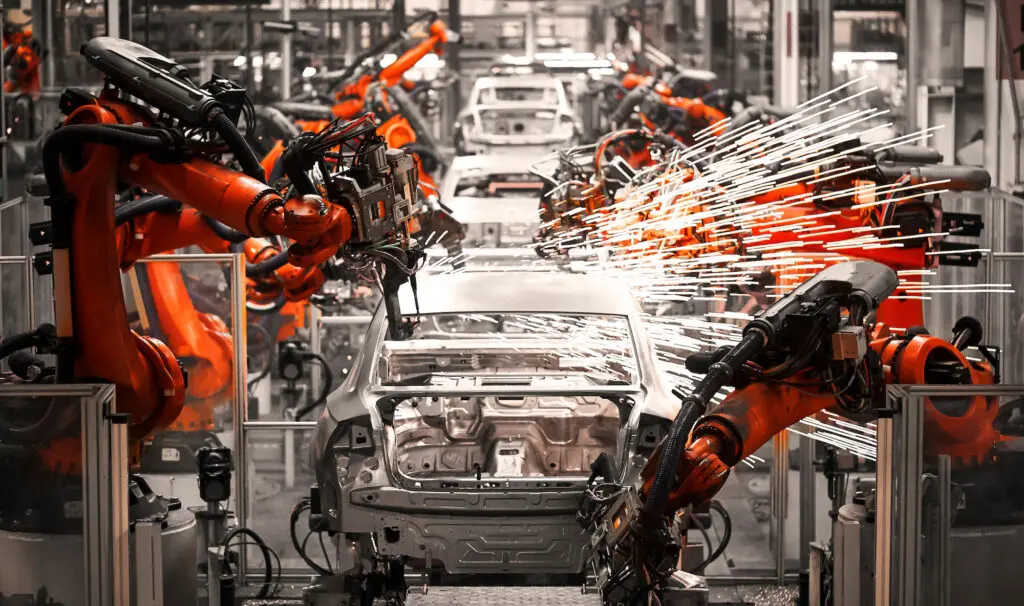
That is especially important in mixed oem auto parts and aftermarket auto parts sourcing. A supplier may present everything under one commercial message, yet the actual control logic behind those categories may differ sharply.
When OEM Positioning Is Meaningful
OEM positioning is not meaningless.
It can help buyers when verifiable structure supports it.
That usually means:
the category comes from a known and stable factory
OE cross-reference records are maintained with discipline
fitment is checked across model years or market variants
packaging and labeling remain repeatable across batches
the supplier can explain recent quality changes and corrective actions
the supplier knows where its control is strong and where it is limited
In that situation, OEM language reflects something real.
It reflects a control chain, not just a commercial phrase.
That is the version importers should look for.
When OEM Language Becomes a Risk
The risk begins when OEM language expands faster than manufacturing visibility.
That usually appears in five ways.
1. Factory Visibility Is Weak
A supplier may present the category as OEM-grade, yet the buyer still cannot see whether the part comes from a fixed factory or from changing channels.
The wording sounds stable.
In practice, the source may still shift.
2. Batch Consistency Is Assumed, Not Managed
Some suppliers treat consistency as an image problem, not a control problem.
Over time, this often appears as quality drift. The first batch and the tenth batch may no longer share the same material behavior, process tolerance, or packaging execution, even though the commercial wording remains unchanged.
The label stays the same.
The batch behavior does not.
3. OE Cross-Reference Is Used as Decoration
In the aftermarket, OE references are powerful. They create confidence fast.
However, an OE number in a quotation does not automatically prove that the supplier maintains accurate OE cross-reference logic over time.
As a result, if OE cross-reference records are outdated, copied, or not reviewed against real application changes, the label becomes decoration rather than control.
4. Fitment Accuracy Is Oversimplified
This is where many return problems begin.
A part may be described as OEM-equivalent, but fitment is rarely that simple. Model year, engine variant, market specification, and production change all matter.
For importers, real control means the supplier understands those boundaries.
Without fitment discipline, OEM wording only makes wrong matching look more professional.
5. Claims Become Harder to Trace
When a quality issue appears, shallow control becomes visible.
The supplier may struggle to determine whether the issue came from:
fitment mismatch
outdated OE cross-reference records
factory switching
material variation
packaging deviation
weak corrective action discipline
OEM language does not solve traceability.
Control does.
What Importers Should Actually Evaluate
Instead of asking:
Is this OEM?
Importers should ask:
Which factory produces this category?
Is this category sourced from a fixed factory or from shifting channels?
How are OE cross-reference records updated?
How is fitment reviewed across model years and market variants?
Can the supplier explain recent batch differences and corrective actions?
Are packaging and labeling controlled by the same source?
What type of traceability exists at batch level?
These questions shift attention from wording to structure.
A supplier using OEM language is not automatically stronger.
A supplier avoiding OEM language is not automatically weaker.
The real issue is whether the label is backed by verifiable manufacturing control.

Why the Illusion Persists
Because OEM wording is easy to trust.
The wording is short, familiar, and easy to trust, so buyers often treat it like a shortcut to confidence.
By contrast, suppliers find real manufacturing control much harder to display.
It appears in:
factory visibility
OE cross-reference discipline
fitment accuracy
batch consistency
packaging repeatability
claim response quality over time
Those are slower to verify. So buyers often overvalue the visible label and undervalue the invisible control chain.
Just as growth can hide inventory imbalance, price can hide sourcing risk, scale can hide volatility, speed can hide weak planning, and catalog breadth can hide shallow expertise, OEM language can hide weak manufacturing control.
Conclusion: The Sixth Data Illusion
In the market of oem auto parts, label language is visible. Manufacturing control is structural.
An OEM label can be commercially useful.
However, it does not automatically prove factory visibility, fitment discipline, or batch-level control.
The real question is not:
Does this supplier use OEM language?
It is:
Can this supplier verify real control behind the parts it offers?
That is the sixth data illusion.
Continue Reading the Data Illusion Series
Part 1 – Sales Growth vs Inventory Health
Part 2 – Low Price vs Low Risk
Part 3 – Big Supplier vs Stable Supplier